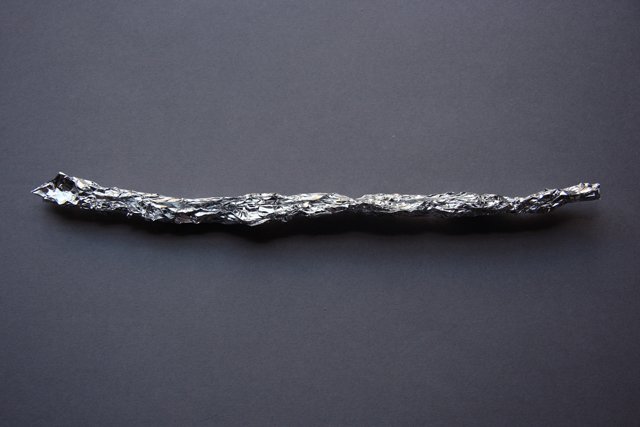
Ahoy there, landlubbers and aspiring buccaneers! Ever dreamed of commanding the high seas, plundering imaginary treasure, or simply nailing that perfect pirate costume? Every true pirate knows their ensemble isn't complete without that iconic, menacing, yet utterly essential accessory: the hook. But why settle for a flimsy store-bought trinket when you can craft your own masterpiece? This guide dives deep into the world of DIY Pirate Hook Crafting Guides, offering practical, fun, and safe ways to create a hook that's worthy of any captain.
Forget complicated schematics and expensive materials. We're talking about transforming everyday items into a formidable (and completely safe) tool for adventure. Whether you're gearing up for Halloween, a themed party, or just a day of imaginative play, a handmade pirate hook adds an unparalleled touch of authenticity and personal flair. Let's get crafting!
At a Glance: Your Treasure Map to Hook Crafting Success
- Safety First: Always prioritize soft, blunt materials, especially for kids.
- Material Variety: Cardboard, foam, and recycled plastics are your best friends.
- Simple Steps: Design, cut, assemble, decorate – that's the basic rhythm.
- Personalize: Make it shiny, battle-worn, or even glow-in-the-dark!
- Durability Matters: Reinforce your hook for longer-lasting play.
- Beyond the Hook: Think about how it fits with the rest of your costume.
Why Cast Your Own Hook? The Allure of Handmade Swashbuckling
There's a unique magic to a handmade prop. It's not just an object; it's a testament to imagination, creativity, and the joy of making. For parents, DIY pirate hooks offer a fantastic activity to engage kids, fostering fine motor skills and creative thinking. For adults, it's a chance to fine-tune a costume, add a bespoke touch to a party, or simply indulge in a bit of nostalgic crafting.
Beyond the personal satisfaction, crafting your own hook gives you complete control over safety, size, and style. No more ill-fitting, flimsy plastic! You can tailor your hook to fit perfectly, withstand hours of adventurous play, and truly reflect the spirit of the pirate you aspire to be. Plus, it's often far more economical than buying one, leaving more doubloons for other costume essentials or perhaps even DIY treasure chests to hold your loot.
Before You Begin: Safety First, Matey!
A pirate hook, even a pretend one, inherently suggests a sharp object. Our cardinal rule for DIY pirate hooks is to eliminate any actual sharpness. This is especially crucial when crafting for children.
Key Safety Considerations:
- Blunt Edges Only: Ensure all cut edges are rounded, taped, or otherwise blunted. Cardboard edges, though not sharp, can still be rough. Sanding sticks or masking tape can help smooth them down.
- Non-Toxic Materials: Use only non-toxic glues, paints, and other craft supplies, particularly if the hook might end up near a child's mouth (which, let's be honest, it probably will during enthusiastic play).
- Secure Fastenings: Any elements attached to the hook, like straps or decorative bits, should be firmly secured to prevent choking hazards.
- Adult Supervision: For younger crafters, always have an adult present to handle cutting tools and assist with intricate steps. We want epic adventures, not emergency room visits! If you’re ever unsure about safety tips for kids' crafts, a quick online search can provide peace of mind.
Gathering Your Booty: Essential Materials for Your Hook
The best DIY projects leverage what you already have. Pirate hooks are wonderfully versatile, lending themselves to various materials, each offering different levels of durability, ease of crafting, and aesthetic appeal.
Option 1: The Cardboard Classic (Easiest & Most Accessible)
Cardboard is the undisputed king of DIY props. It's free (from old boxes), easy to cut, and surprisingly sturdy when reinforced.
- Hook: Sturdy cardboard (cereal boxes, moving boxes, or poster board for lighter versions).
- Handle/Cuff: A paper cup, a toilet paper roll, or more cardboard shaped into a cuff.
- Adhesives: Hot glue gun (with adult supervision), strong craft glue, or packing tape.
- Decorations: Silver or gold paint, black paint, metallic markers, aluminum foil, electrical tape, yarn for texture.
- Tools: Scissors, craft knife (adult use only), pencil, ruler.
Option 2: The Foam Fantastic (Durable & Kid-Friendly)
Craft foam (EVA foam) is lightweight, flexible, and doesn't fray. It's more resilient than cardboard, making it great for active play.
- Hook: Craft foam sheets (2mm, 3mm, or 5mm thickness work well).
- Handle/Cuff: A foam cup, a PVC pipe coupling (smooth edges!), or more craft foam.
- Adhesives: Hot glue gun, contact cement (use in well-ventilated area).
- Decorations: Acrylic paints, permanent markers, glitter glue, felt scraps.
- Tools: Sharp scissors, craft knife (adult use only), templates.
Option 3: The Recycled Resource (Eco-Conscious Crafting)
Get creative with items destined for the recycling bin!
- Hook Base: The curved handle of a plastic milk jug, a sturdy plastic bottle cut into a hook shape, or even thick plastic packaging.
- Handle/Cuff: Cardboard tubes, plastic cups, or plastic bottles (bottom cut off).
- Adhesives: Super glue (adult use only), hot glue, strong packing tape.
- Decorations: Spray paint (use outdoors with ventilation), acrylic paint, fabric scraps, twine.
- Tools: Heavy-duty scissors, utility knife (adult use only), sandpaper for smoothing edges.
Step-by-Step Treasure Map: Crafting Your Pirate Hook
Regardless of your chosen material, the general process for making a DIY pirate hook follows a similar path. We'll outline the core steps and then add material-specific tips.
Step 1: Design Your Hook (The Vision)
Before you cut, decide on your hook's style. Do you want a classic C-shape, a more elaborate spiral, or a wicked barb?
- Sketch it Out: On a piece of paper, draw several hook designs. Consider the size relative to the wearer's hand and arm. A good rule of thumb: the hook part itself should be roughly the length of the wearer's forearm, and the handle should be comfortable to grip or wear.
- Create a Template: Once satisfied with a design, cut out your paper template. This ensures symmetry and consistency.
Step 2: Cut Your Hook (The Precision)
Transfer your template to your chosen material.
- Trace: Place your paper template onto your cardboard, foam, or recycled plastic. Trace around it carefully with a pencil or marker.
- Cut:
- Cardboard: Use sharp scissors for lighter cardboard. For thicker corrugated cardboard, a craft knife (always on a cutting mat, with adult supervision) will give cleaner cuts. Cut two identical hook pieces for reinforcement.
- Foam: Sharp scissors work best for craft foam. A craft knife can be used for intricate details.
- Recycled Plastic: Heavy-duty scissors are often needed. A utility knife (adult use only, extreme caution!) can cut thicker plastics. Crucially, sand down all cut edges of plastic to remove any sharpness.
Step 3: Assemble Your Handle (The Grip)
This is where your hook becomes wearable.
- For Cardboard:
- Cuff Style: Cut a strip of cardboard long enough to wrap around the wearer's wrist/forearm, plus an overlap for gluing. Secure it into a cylinder or cone shape. Glue your two hook pieces together, then glue the combined hook firmly to the side of the cardboard cuff.
- Cup/Roll Style: Cut a hole in the side of a paper cup or toilet paper roll (large enough for the hook to insert). Glue the hook securely into the hole, ensuring it's stable.
- For Foam:
- Cuff Style: Cut a wide strip of foam. Wrap it around the wearer's wrist/forearm, secure with hot glue or contact cement. Glue the foam hook directly to the cuff.
- Foam Cup: Similar to cardboard, cut a slot and glue the foam hook into a foam cup.
- For Recycled Plastic:
- Plastic Bottle Handle: If using a bottle's curved handle as the hook, you'll need to secure it to another piece that forms the cuff. Alternatively, cut a plastic bottle into a cone shape, then attach your plastic hook to its side with strong adhesive.
- Cardboard Tube/Cup: Use a sturdy cardboard tube or plastic cup as the handle, following the cardboard instructions for attachment.
Step 4: Reinforce & Refine (The Sturdiness)
A good pirate hook needs to withstand adventure!
- Cardboard: For extra strength, glue two or three identical cardboard hook pieces together. You can also cover the entire hook with masking tape or painter's tape before painting to create a smoother surface and add durability.
- Foam: Foam is already fairly durable, but for a more rigid hook, you can insert a wire (bent to shape) between two foam layers before gluing them together (ensure wire ends are completely covered and cannot poke out).
- All Materials: Ensure all joints are secure. Add extra glue or tape where the hook meets the handle. For comfort, you might line the inside of the handle with felt or soft fabric, especially if it's going directly on the skin.
Step 5: Decorate Your Loot (The Flair)
Now for the fun part – making your hook look truly piratical! Explore the pirate hook archives for inspiration on classic designs and intricate details.
- Paint: Silver, gold, or black are classic choices. Use acrylic paints for most materials. If using spray paint on plastic, do it outdoors in a well-ventilated area, and use a primer for better adhesion.
- Metallic Sheen: Wrap the hook part in aluminum foil for a quick metallic shine, then secure with tape or glue.
- Battle Damage: Use a darker paint (like black or brown) and a dry brush technique to add "rust" or "grime" for a weathered look. A few dabs of red paint can simulate bloodstains (use sparingly for younger audiences!).
- Personal Touches: Add faux jewels, leather scraps, twine, or even a small skull-and-crossbones emblem to your handle.
- Comfort: Consider adding a soft wristband or elastic strap inside the cuff if the hook is meant to be worn for extended periods, or to help keep it in place.
Handy Variations for Your Hook
Don't feel limited to a single design! Here are some ideas to spark your creativity:
The Glimmering Gold Hook
Instead of traditional silver, go for gold! Paint your hook a bright metallic gold. You can even add glitter or glue down gold foil confetti for extra sparkle. This version is perfect for the pirate who appreciates the finer things in life and isn't afraid to show off their wealth.
The Battle-Scarred Veteran Hook
For a more authentic, gritty look, focus on weathering. After painting your hook a base metallic color, use dark brown or black paint, applied sparingly with a crumpled paper towel or old sponge, to create rust and grime effects. A few deliberate nicks and scratches (drawn with a dark marker or carefully cut into foam) can enhance the "seen-a-thousand-battles" vibe.
The Kid-Friendly Soft Hook
For the youngest pirates, prioritize extreme softness. Use felt or soft craft foam for the hook shape. Instead of a rigid cuff, create a fabric "glove" or soft padded sleeve that the hook is sewn onto. This ensures absolutely no hard edges and maximum comfort for little hands. This is an excellent choice for toddlers and preschoolers, minimizing any potential for accidental bumps during enthusiastic play.
Pro Tips from a Salty Seadog (Best Practices)
Having crafted more than a few pirate hooks in our time, we've picked up some tricks of the trade.
- Layer Up for Strength: When using cardboard or thin foam, cutting and gluing two or three identical pieces together significantly increases durability and rigidity. It makes the hook feel more substantial.
- Smooth Those Edges: For cardboard, masking tape or painter's tape can be wrapped around the edges before painting. It creates a cleaner line, makes the edge smoother, and helps prevent tearing. For plastic, always sand thoroughly!
- The Power of Primer: If you're painting plastic or very glossy cardboard, a thin layer of primer (specifically designed for your material) will help your paint adhere better and prevent chipping.
- Consider the Wearer: If the hook is for a child, ensure it's lightweight and easy for them to maneuver without being cumbersome. For an adult costume, you might prioritize a more realistic look over extreme lightness.
- Comfort is Key: A hook that digs into the arm or falls off easily isn't much fun. Test the fit before the glue dries. Add padding, elastic, or soft fabric lining to the handle or cuff if needed to make it comfortable for extended wear as part of a complete your pirate costume.
- Storage Savvy: To keep your masterpiece in prime condition, store it carefully. Avoid crushing it with heavy items. If it's cardboard, a plastic bag can protect it from moisture.
Common Pirate Hook Crafting Quandaries
Even the most seasoned crafters run into questions. Here are some common dilemmas and their solutions.
How Can I Make My DIY Pirate Hook Last Longer?
A: Durability is all about reinforcement and material choice.
- Cardboard: Glue multiple layers together, cover with masking tape before painting, and consider a clear sealant or Mod Podge once decorated.
- Foam: Use thicker foam (e.g., 5mm EVA foam). You can also stiffen foam by applying several coats of Mod Podge or a flexible sealant.
- All Materials: Ensure all glue joints are strong and fully cured. Avoid excessive bending or rough play where possible.
Is This Safe for Really Young Kids (Toddlers/Preschoolers)?
A: Yes, with significant modifications. For very young children, ditch any rigid materials.
- Go Plush: Craft the entire hook from felt, fleece, or soft fabric, stuffing it lightly with polyfill. Sew it onto a soft wristband.
- Foam Only: Use very soft, flexible craft foam, ensuring all edges are rounded and smooth. Avoid any small attached pieces that could be choking hazards.
- No Pointy Bits: Make the hook shape more like a rounded "C" or a gentle curve, rather than anything that resembles a point.
Can I Make My Pirate Hook Glow in the Dark?
A: Absolutely! It adds a fantastic spooky element for night-time events.
- Glow-in-the-Dark Paint: Apply several coats of glow-in-the-dark paint (available at most craft stores) over your base color. Charge it under a bright light before going into the dark.
- Glow Sticks: For a temporary glow, you can carefully embed a small, snapped glow stick within a foam or cardboard hook (if you've made it hollow or layered). Ensure it's fully enclosed and won't leak. This is generally for older kids or adults.
What if I Don't Have All the Recommended Materials?
A: Embrace the pirate spirit of resourcefulness!
- Improvise: Look around your house. An old plastic hanger could be cut into a hook shape. A rolled-up magazine could be a handle. A plastic laundry detergent scoop might offer a good curve.
- Substitute: Don't have metallic paint? Use aluminum foil for shine. No fancy glue? Strong packing tape works wonders for cardboard.
- Simplify: If you're missing materials for intricate designs, just focus on the basic hook and handle. A simple design can be incredibly effective when well-made and painted. The best pirate hooks come from ingenuity, not expensive supplies.
Beyond the Hook: Completing Your Swashbuckling Ensemble
Your DIY pirate hook is a masterpiece, but it's just one piece of the puzzle! To truly transform into a convincing corsair, consider how your hook fits into the larger picture of your costume. Will you pair it with a striped shirt, tattered trousers, a bandana, or a trusty eye patch? Think about adding a few other pirate-themed party decorations to really set the scene for your adventures.
The beauty of DIY is that it doesn't stop with just one item. Your hook can inspire you to craft a sword, a treasure map, a coin purse, or even a mini spyglass. Each handmade element tells a story, making your pirate persona unique and unforgettable. So, grab your materials, unleash your inner artist, and prepare to embark on a crafting adventure that promises a bounty of fun and a prop to be proud of. Happy crafting, matey!
Untuk pemahaman lebih lengkap, baca panduan utama kami: Explore the pirate hook